SPECIALTIES

Specialty Dental Services in our Milford Office

A black square with a white border on a white background.

Specialty Dental Services and General Dentistry Under One Roof at Huszti Dental

Even with diligent oral health practices, bigger dental issues can sometimes arise. With other dentists, that means referral to a specialty practice with all the new forms, payment methods and uncertainties that come with that process. Our office is home to three specialists, and they are here to ease your concerns when a specialist is needed. With an endodontist, a periodontist and an oral surgeon in our office, Huszti Dental Care in Milford is able to address the vast majority of your dental needs in our comfortable office, supported by our friendly staff. 


ORAL SURGERY


Computer-administered anesthesia means our surgeries are as painless as possible. New technologies also mean quicker recovery times and less pain.

REQUEST AN APPOINTMENT

PERIODONTICS


Treating gums that are receding or too prominent can make a huge difference in your oral hygiene. Some treatments are nonsurgical, meaning less discomfort and quicker recovery time.

REQUEST AN APPOINTMENT

PERIODONTICS


Treating gums that are receding or too prominent can make a huge difference in your oral hygiene. Some treatments are nonsurgical, meaning less discomfort and quicker recovery time.

REQUEST AN APPOINTMENT

ROOT CANAL SPECIALIST


Our in-office endodontist specializes in root canals and only in root canals. Expertise like that means you are in good hands, and ensures the best outcomes.

REQUEST AN APPOINTMENT

As the oldest continuing practice in the Milford/ Highland area, Huszti Dental Care has been providing quality dental care for more than half a century. The practice still boasts active patients from the 1960s.

A Hometown Tribute: I Love Milford

An Original Film Short by Dr. William Huszti

As the oldest continuing practice in the Milford/ Highland area, Huszti Dental Care has been providing quality dental care for more than half a century. The practice still boasts active patients from the 1960s.

LEARN MORE

A Hometown Tribute: I Love Milford

An Original Film Short by Dr. William Huszti

A black square with a white border on a white background.

YOU MIGHT ALSO BE INTERESTED IN

VISIT US
By Ron Bernas January 6, 2026
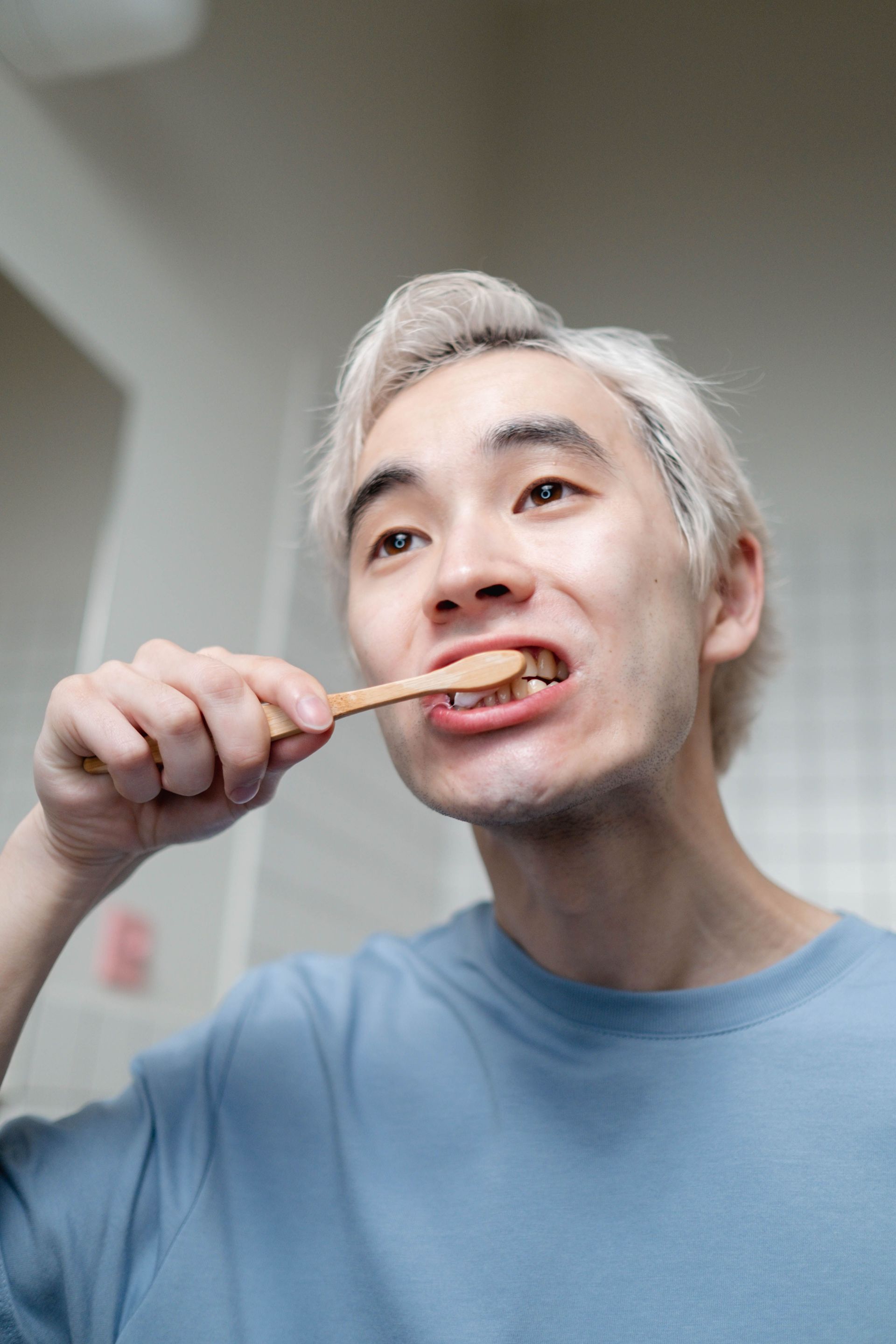
Did you make resolutions for the new year? If so, you will want to make room for one more of great importance: Pay more attention to your oral health. Now some of you may think you’re doing a good job, and you just may be, but here are a few things to think about to get your new year off to a good start. Replace your toothbrush: Most people seem to think the one they get at their visit to Huszti Dental Care is good until the next time they visit us—six months later. Not a good idea. Worn toothbrushes are less effective at removing plaque and bacteria, which increases risks of decay and gum disease. Experts say you should change your toothbrush—or the head of your electric toothbrush—every three to four months. Children may need to do it more often because they can be really strong brushers. Also, always replace your toothbrush after you are sick, as the brushes can reintroduce germs. Time your brushing: All the experts say you should strive for two times a day for two minutes each time. Next time you brush, use a timer and brush for the full two minutes. You may think you’re probably close, but chances are you are not. Consciously brushing for two minutes each time lets you remember the back teeth or the other corners of your mouth you may forget about regularly. Keep dental floss at hand: We all should be flossing more, but you often don’t because it always seems to be one more chore keeping you from your snuggly warm bed. Keep a package of dental floss in your car, or your desk at work, even the kitchen, so it’s always nearby when you need it. Make that dental appointment—and keep it!: It’s a quick call. Heck, at Huszti Dental Care, it’s just filling in an online form . Just give us your contact information and we’ll reach out to do the rest. Think about your teeth when you eat: Food can stain your teeth and it can strain your teeth, so cut down on coffee and dark sodas, red wines and other stainers. (You could also simply commit to using a straw when drinking these items. But also remember that teeth need a calcium-rich diet including dairy, broccoli, almonds and fruits and veggies to remain strong. Just choose one or two of these to start doing now if all of them together seem overwhelming. Incorporate the others later, you’ll be glad you did. And next year, you will have something more fun to make a resolution about.
By Ron Bernas December 17, 2025
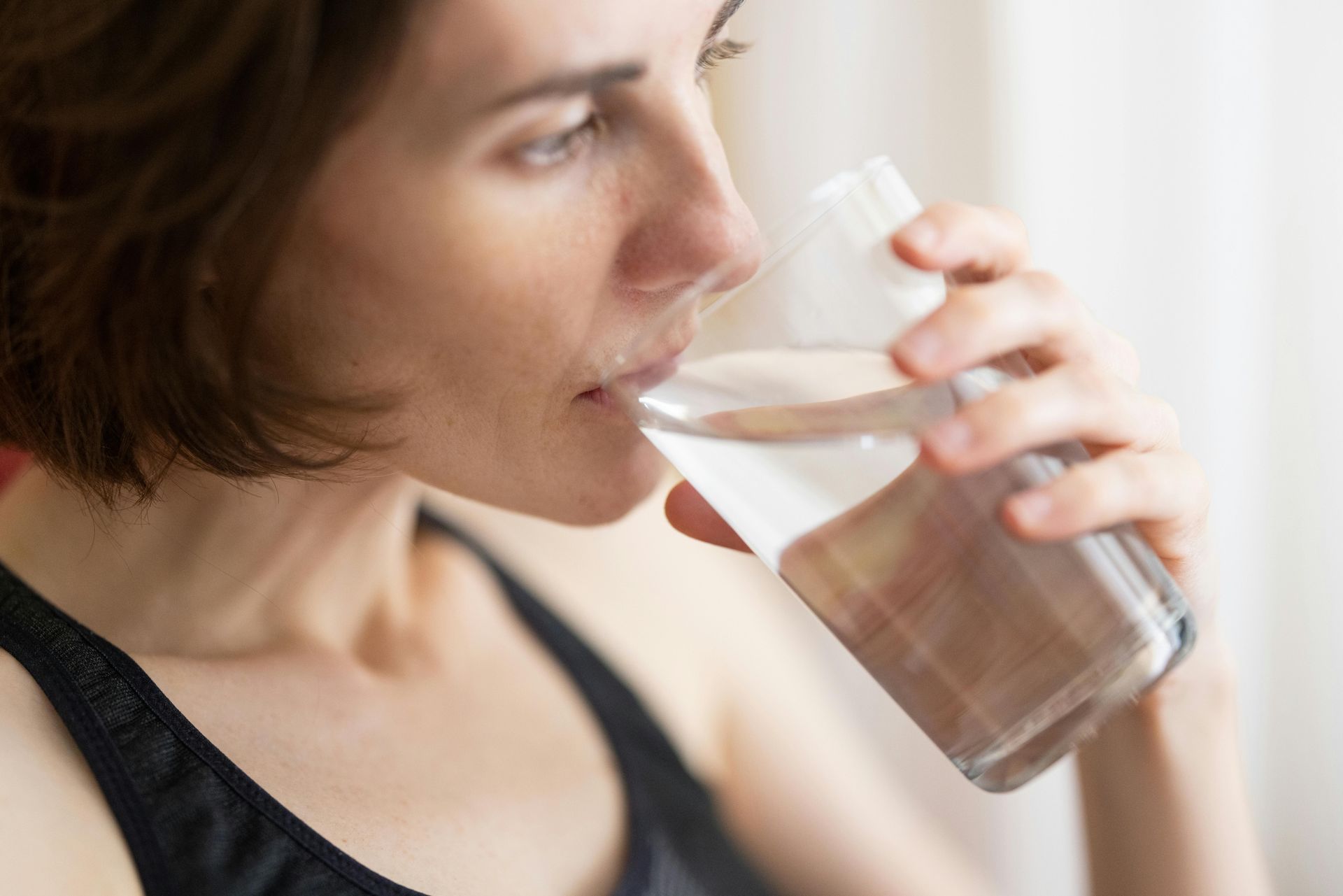
It's the holiday season. So for many that means parties, lots of food and maybe a celebratory drink or two. There are so many studies about alcohol that make the news that it can be hard to keep up. A study that says a glass of red wine a day may be good for your heart health is followed closely by another study that says daily consumption of alcohol is dangerous. But what researchers don't take into account in many of these studies is the effect alcohol has on oral health. Not to be a downer, but alcohol abuse can lead to higher plaque levels, and increased risk of tooth loss or decay, mouth sores and periodontal disease. There is also an increased risk of oral cancer. The reason behind most of these risks is simple: sugar. Alcohol may not taste sweet, but there are sugars in it and bacteria in your mouth feed on those sugars and grow. Slowly nursing a drink over a long period of time keeps sugar levels elevated and that helps bacteria grow. A second reason is that alcohol dries out the mouth. That means saliva is reduced and since saliva rinses away bad bacteria in the mouth, the risk of problems like tooth decay and gum disease are increased. More immediate is that without saliva to wash away that bacteria, you can develop bad breath, which is no fun for you or those around you. Now most people won't have to worry about this, but it is possible that alcohol can stain your teeth, especially if you are a fan of red wine. After a glass of two you can often see a slight discoloration that goes away with brushing. But it's just a good thing to know, especially if you have been told you have weak enamel. Solutions? They are so easy it's almost not worth writing about. Cut down on sugar by drinking dry wines and limiting fruity alcoholic drinks. Also, drinking water after each alcoholic beverage will rinse some of the sugars down. (It's also a good idea to keep yourself sober.) Snacking is also a good idea to get the saliva flowing—just stay away from the sweets! You can also chew some sugar-free gum in between drinks. And, of course, maintaining your oral hygiene regimen of brushing and flossing is a must. So if you plan on making alcohol a part of your holiday celebrations remember: Your teeth aren't immune to the effects of alcohol. Be responsible, so you won't regret it later.
By Ron Bernas October 17, 2025
Halloween is just around the corner. And we don't want to be a wet blanket by telling you things you already know, but...too much candy can be detrimental to your dental health. And we don't expect anyone to not let their little goblins out for a fun night of screaming and collecting treats. But here are a few things you can do to minimize any impact the sugary treats might have on your children. Eat Halloween treats with meals If you unwrap a sugary treat right after meals, your mouth is already making the extra saliva it needs to help rinse away bits of food (and candy). That's the point of saliva, it removes bacteria. Sugary things should not be regular snacks Eat them, sure, once in a while, but mix it up a bit. Fruit, raw veggies, nuts or crackers should be the primary snacks. This goes for kids — and adults. Sticky candy is the enemy Avoid sticky, gummy sweets that can cling to your teeth, which raises your risk of developing cavities. Also, hard candy that stays in your mouth for a long time isn't great either. Also, sour candies have lots of dietary acids that can attack the enamel of your teeth. Chocolate is good! (In moderation) Chocolate is the most popular kind of candy and it won't stick to your teeth like other candies do. Dark chocolate is even better, because there’s less sugar in semisweet and dark chocolate than in milk chocolate. Don't be the keeper of a candy bowl It may be tempting to keep candy around and your coworkers may love it, too. But your teeth will be happy if you put the candy away so you won't mindlessly eat it all day long. Also, limit your kids' candy consumption to one or two pieces a day. Chew sugar-free gum If you do eat candy, consider chewing sugar-free gum afterward. It will minimize the damage done by the acid. Have it on hand and chew for 20 minutes for the best results. It will also keep your breath fresh. Be that family that gives healthy treats Too much of a good thing is not a good thing. Consider passing out coloring books and crayons or pens and pencils or even toothbrushes or floss. It won't go to waste and you can feel good knowing you helped another parent out.
SHOW MORE